Chia Seeds in Urdu: Benefits, Uses & How to Eat Daily
Chia seeds, or تخم شربتی in Urdu, have acquired their reputation as a superfood, and it’s well-deserved. These aren’t just another health trend that’ll fade in six months. These seeds are filled with more calcium than milk, more omega-3s than salmon (gram for gram), and enough fiber to keep your digestive system working smoothly for hours.
And the best part is that you do not need to change your diet or spend hours in the kitchen. Just one tablespoon can turn your everyday lassi into a healthy powerhouse.
In this post you will learn everything you need to know about chia seeds. You’ll learn what makes them unique, how they can benefit your health, and how to employ them in Pakistani cuisine. No complicated recipes or pricey equipment required!
What Are Chia Seeds?
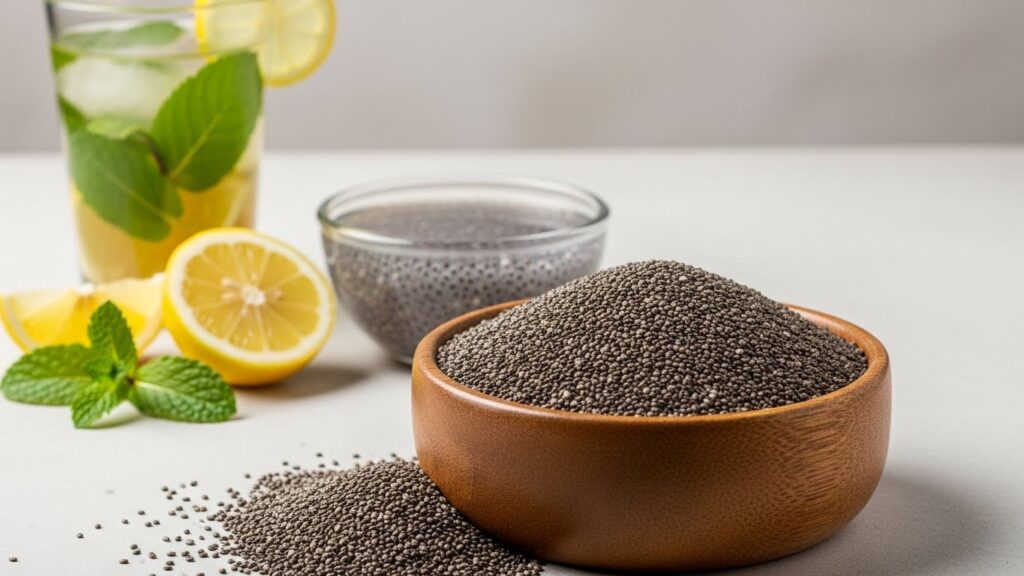
Chia seeds are tiny black or white seeds that come from the chia plant, a member of the mint family. These seeds are full of nutrients that support your body from head to toe.
These little black or white seeds may appear ordinary at first glance. When you pop them in your mouth dry, they have a fairly bland flavor and a slight crunch. But here’s where it gets fascinating!
Chia seeds undergo complete transformation when exposed to liquid (water, milk, juice, or anything). They absorb up to ten times their weight in liquid and form a gel-like covering. This unique trait is precisely what makes them so useful for both nutrition and cooking.
Chia Seeds in Urdu (تخم شربتی)
In Pakistan, chia seeds are referred to as تخم شربتی. “Tukhm” means seed, and “Sharbati” is derived from “sharbat,” the sweet, cooling drinks we enjoy during the summer.
The name is not meaningless! Our grandmothers and great-grandparents utilized these seeds in traditional drinks because of their cooling effects. They recognized something vital long before modern nutritionists became obsessed with superfoods.
Here’s when people get confused. Many people combine chia seeds with basil seeds, which we call تخم ریحان (Tukhm-e-Rehan) or تخ ملنگا (Tukh Malanga). Yes, they have a similar appearance. Yes, both swell in the water. However, they are entirely separate plants, with distinct nutritional compositions. I’ll explain the differences later, so stay tuned!
Origin and Plant Family
Chia seeds have ancient origins. The Aztecs and Mayans of Central America cultivated them thousands of years ago. Chia seeds were eaten by Aztec warriors to sustain energy during lengthy travels and battles. The word “chia” is derived from the Mayan word for strength.
These seeds grow on flowering plants that can grow up to a meter tall. Before producing the seeds we consume, the plants display stunning purple and white blossoms. While chia originated in Mexico and Guatemala, it is now grown all over the world, including in Pakistan, where the environment allows it to thrive.
Nutritional Components of Chia Seeds
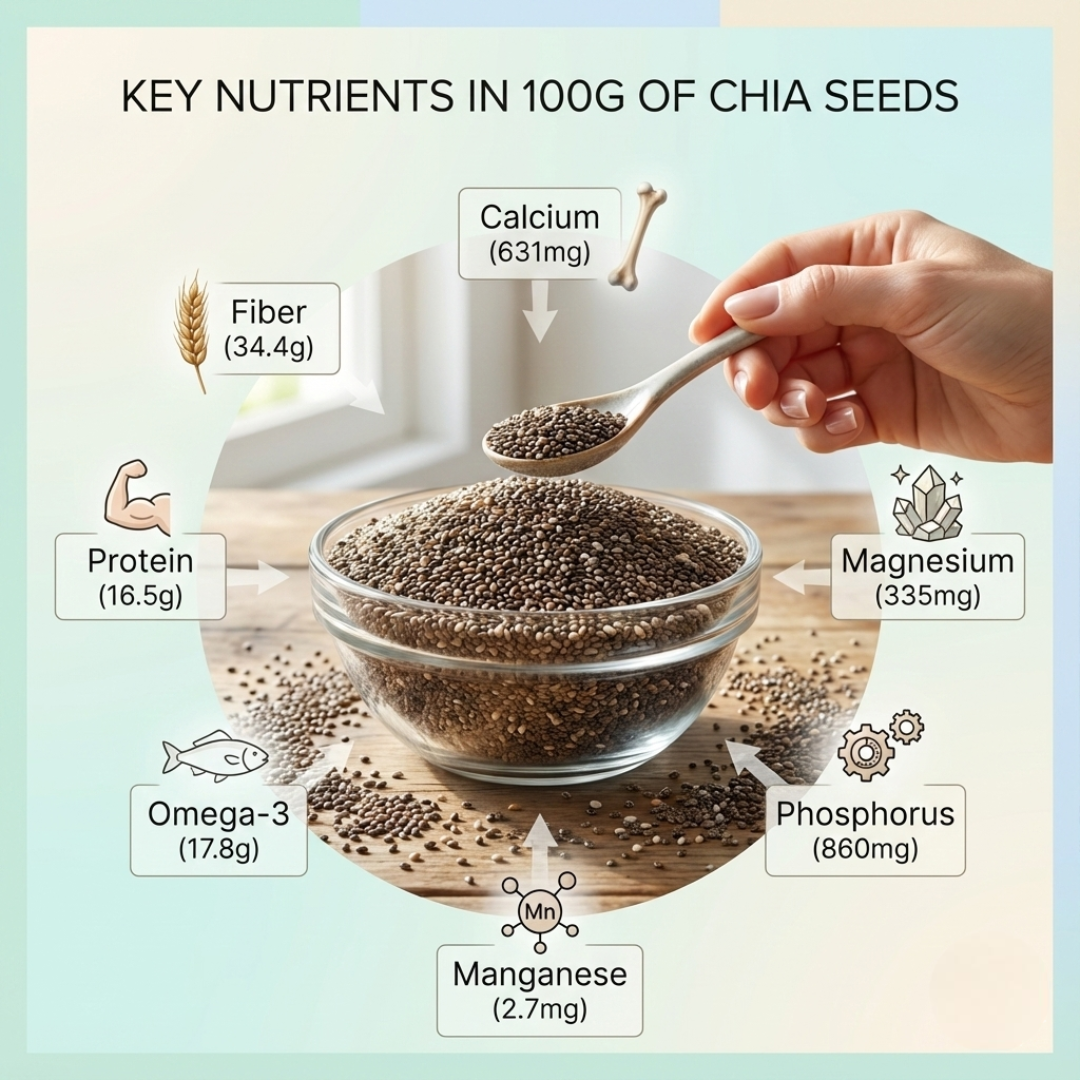
Essential Nutrients in 100g
The nutritional value of 100 grams of chia seeds is comparable to significantly greater quantities of other foods. These little packages contain vitamins, minerals, healthy fats, and protein.
Just the fiber content is impressive. One ounce (approximately 28 grams) of chia seeds contains 12 grams of carbs, of which 11 grams are pure dietary fiber. It’s not a mistake! In essence, these seeds are fiber bombs that help your digestive system more than most foods.
When compared to most dairy products, the calcium level is superior. Chia seeds are a great replacement if you’re lactose intolerant or just don’t eat much dairy. Chia seeds are a great source of calcium, which is necessary for healthy bones.
The omega-3 fatty acids are another. Your heart and brain are in desperate need of these good fats. The majority of people believe that eating fish is necessary to obtain omega-3 fatty acids, however chia seeds offer an equally potent plant-based solution.
There are substantial concentrations of magnesium, phosphorus, and manganese. From energy production to bone creation, these minerals operate in the background to keep your body operating at its best.
Calorie Content and Macronutrients
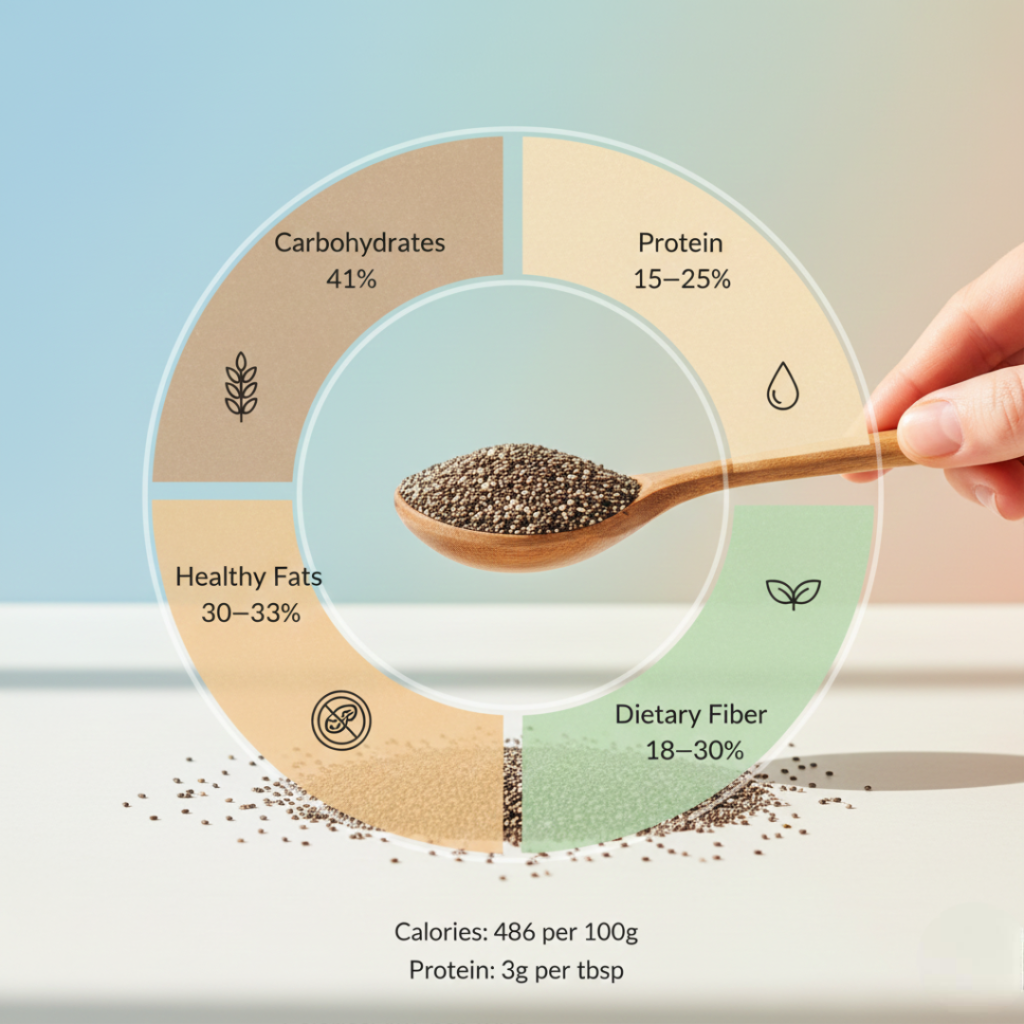
There are roughly 486 calories in 100 grams of chia seeds. That may seem excessive, but keep in mind that you won’t consume 100 grams all at once. Just 1-2 teaspoons (15-30 grams), or roughly 70-140 calories, make up a common portion.
The breakdown of macronutrients is as follows:
Carbohydrates make up 41% of chia seeds
Protein accounts for 15-25%
Healthy fats comprise 30-33%
Dietary fiber represents 18-30%
Have you noticed how well-balanced this is? Unhealthy fats and sugar don’t provide you with empty calories. Your body can use the nutrients that are packed into each calorie.
For vegans and anyone trying to boost their protein intake without consuming additional meat, the protein level is especially beneficial. One tablespoon has three grams of protein, which quickly adds up over the course of the day.
Health Benefits of Chia Seeds
We’re getting to the exciting stuff now. What are the potential health benefits of these seeds? It turns out to be enough.
Packed with Antioxidants
Your body uses antioxidants as a defense against illness and aging. Imagine them as little troops battling the enemies,free radicals that harm your cells.
Strong antioxidants found in chia seeds shield your cells from this harm. The outcome? better hair, more youthful-looking skin, and slower aging. Consuming chia seeds on a regular basis helps your body’s natural anti-aging processes, but I’m not saying you’ll appear twenty years younger overnight.
Perhaps even more important, these antioxidants may aid in the battle against cancer. According to research, eating foods high in antioxidants may help lower the risk of cancer by preventing cellular damage that could result in the development of tumors. Chia seeds are among the greatest foods you can include in your diet to fight cancer, even if they are neither a cure nor a guarantee of protection.
Chia seeds’ antioxidants also prolong the shelf life of the seeds. When stored properly, chia seeds can keep for years, unlike flax seeds, which quickly turn sour. That’s how natural antioxidants operate!
Support Bone Health
Let’s discuss your skeleton. For your bones to remain strong, especially as you age, they require continuous feeding.
Surprisingly, chia seeds have a higher calcium content per gram than several dairy products! Approximately 18% of your daily necessary calcium intake can be obtained from a single tablespoon of chia seeds. This is revolutionary for those who avoid eating dairy products because of allergies, dietary restrictions, or lactose intolerance.
However, calcium is not effective on its own. Magnesium and phosphorus are also necessary for your bones, and guess what? Chia seeds also provide those. Calcium and phosphorus combine to form strong bones and teeth. Your body absorbs calcium more efficiently when it has magnesium.
Because of this combination, chia seeds are especially beneficial for:
Developing bone density in young people.
Supporting the growth of their unborn child and their own bones during pregnancy
Elderly people attempting to avoid osteoporosis
Anyone who doesn’t routinely eat dairy
Promote Heart Health
In Pakistan, heart disease is a major problem. In actuality, coronary artery disease affects a quarter of Pakistanis. Those figures are concerning! It is imperative that you take care of your heart.
Chia seeds promote heart health in a number of ways. First, their omega-3 fatty acids aid in lowering inflammation in the arteries and other parts of your body. Your heart doesn’t have to work as hard and blood flows more easily when your arteries are less irritated.
Second, omega-3s help control blood pressure. High blood pressure strains your heart and damages blood vessels over time. The healthy fats in chia seeds help keep your blood pressure in a healthy range.
Third, chia seeds can improve your cholesterol profile. They help lower LDL (the “bad” cholesterol) while maintaining or even increasing HDL (the “good” cholesterol). This balance is crucial for preventing heart attacks and strokes.
Making chia seeds a daily part of your routine could genuinely help prevent heart disease. That’s not an exaggeration; it’s what the research shows.
Improve Digestive and Gut Health
Your immune system and mood are both impacted by gut health. Really? The stomach is now referred to by scientists as your “second brain” due to its significant impact on general health.
Chia seeds are a great source of fiber, which is essential for digestive health. Do you recall that one tablespoon included 11 grams of fiber? That fiber acts as food for the healthy bacteria living in your stomach. Fiber is necessary for these beneficial bacteria to flourish, and when they are content, you are healthy.
A fiber-rich diet does several important things:
Regulates bowel movements and prevents constipation
Feeds beneficial gut bacteria
Reduces inflammation in the digestive tract
May prevent digestive disorders like irritable bowel syndrome (IBS) and hemorrhoids
In Pakistan, stomach problems are common, particularly in the warm summer months. Chia seeds’ fiber promotes comfortable and organic movement. No more soreness or bloating. Just typical, easy digestion.
An adult’s recommended daily intake of dietary fiber is satisfied by the 100 grams of chia seeds. Even tiny amounts have a big impact!
Aid in Weight Loss
Probably the most discussed advantage of chia seeds is weight loss. It’s likely that any nutritionist in Islamabad, Lahore, or Karachi may suggest chia seeds as a component of your weight-loss regimen.
But is this just hype, or do they really work?
They work, and this is why. Chia seeds swell greatly after absorbing liquid (up to ten times their original size). This produces a gel-like substance that fills your stomach and leaves you feeling content. You are truly full, not just misleading your head. This reduces hunger and prevents wasteful eating in between meals.
Your blood sugar remains constant because the high fiber content slows down digestion. You know those mid-afternoon energy slumps that make you dash for biscuits and chai? Chia seeds aid in avoiding those collisions. There are less desires for unhealthy snacks when blood sugar levels are stable.
Chia seeds’ protein aids in weight loss as well. Protein modestly speeds up your metabolism and promotes feelings of fullness. It helps, but it’s not a miracle cure.
Many health issues, including diabetes, heart disease, joint issues, and more, are associated with obesity and being overweight. Chia seeds indirectly lower your chances of all these disorders by assisting you in maintaining a healthy weight.
Just keep in mind that while chia seeds aid in weight loss, they are not miracle medications. Regular exercise and a balanced diet are still essential. Consider chia seeds as supportive partners rather than miracle workers in your quest to lose weight.
How to Use Chia Seeds
Theory is wonderful, but let’s put it into practice. In what ways do you use these seeds in your day-to-day activities?
Simple Preparation Technique
The most popular approach is also the most straightforward. This is what you do:
Combine one spoonful of chia seeds with three tablespoons of water (or any other preferred drink).
Give this combination 15 to 20 minutes to sit. The liquid will be absorbed by the seeds during this period, giving them a gel-like consistency.
That’s all! Easy, huh?
You can use this gel on its own or combine it with various foods and drinks. Some people make a greater quantity in the evening and store it overnight in the fridge. You’ll have nicely soaked chia seeds by morning.
Popular Ways to Consume Chia Seeds
Let me share the most popular and practical ways Pakistani households use chia seeds. These methods are tested and proven. No complicated techniques or hard-to-find ingredients required!
Soaking Chia Seeds
Soaking is the foundation of most chia seed recipes. You can soak them in plain water, but why stop there? Try soaking them in:
Milk (dairy or plant-based)
Fresh fruit juice
Coconut water
Even rose water for a traditional touch!
After soaking, add honey, maple syrup, or your favorite sweetener. Add some chopped fruits (bananas, strawberries, and mangoes) and you have a full, healthy breakfast or snack.
A great beverage for weight loss is half a teaspoon of chia seeds dissolved in a cup of water with fresh lemon juice. You’ll naturally eat less if you take this half an hour before meals because you’ll feel fuller.
In Beverages and Smoothies
In Pakistani cooking, this is where chia seeds really shine! For added nutrients without sacrificing flavor, add soaked chia seeds to your morning lassi.
In the summer, Rooh Afza is a refreshing and nourishing delight.
Fresh fruit juices for extra flavor and health advantages
Smoothies for durability and thickness
The seeds mix easily into beverages because they don’t have a strong flavor. In their favorite mango smoothie, your kids won’t even notice them!
With Yogurt and Breakfast Foods
Simply sprinkle dahi (yogurt) with chia seeds and sprinkle with honey. This combo offers all the health advantages of chia seeds, probiotics for intestinal health, and protein from the yogurt. You can eat it until noon because it’s strong enough!
Add chia seeds to:
Dalia (porridge) for additional texture and nutrients
Oatmeal for a breakfast high in fiber
A contemporary, healthful take on traditional kheer
You can sprinkle them on top after serving or add them while cooking. Either approach is ideal!
In Baking
Use your imagination when baking! Chia seeds should be added to:
Bread prepared at home for added nutrients and crunch
Cookies and muffins for health-conscious sweets
Weekend breakfast upgrades: pancakes
Homemade snacks and energy bars
Without dominating other flavors, the seeds provide a nice, subtle crunch. Additionally, they greatly increase the nutritious value of baked foods.
As Salad Toppings
For a delicious crunch and nutritious boost, sprinkle dry chia seeds over salads. They are ideal for every kind of salad, from straightforward cucumber-tomato salads to complex mixed greens, because they contribute texture without much flavor.
By combining soaked chia seeds with olive oil, lemon juice, and your preferred herbs, you can also create chia seed dressing. Compared to store-bought alternatives, this produces a thick, creamy dressing that is far healthier!
Chia Seeds for Weight Loss
Since weight loss is such a common goal, let me give you a specific, actionable plan.
Morning: As part of your morning ritual, combine a teaspoon of chia seeds with fresh lemon juice in a glass of warm water. This should be consumed 30 minutes before breakfast in the morning. Your hunger for breakfast will naturally decrease as the seeds expand in your stomach.
Before meals: Half an hour before lunch and supper, sip on a glass of water infused with soaked chia seeds. You may eat lesser portions without feeling deprived by adopting this easy practice.
Snack replacement: Replace your snack with a tiny piece of chia pudding if you’re feeling peckish in between meals. Combine chia seeds with either regular or almond milk, stir in a small amount of honey, and allow to solidify. This gives you actual nutrition and satisfies your craving.
Important reminder: These tactics are most effective when paired with regular exercise and a healthy diet. Chia seeds by themselves won’t be able to eliminate extra weight. They are effective tools, but you must utilize them in conjunction with a holistic approach to health.
Chia Seeds vs Basil Seeds (Tukhm-e-Sharbati)
It’s time to finally clear the misconception! Although the terms are sometimes used synonymously, basil and chia seeds are actually quite different.
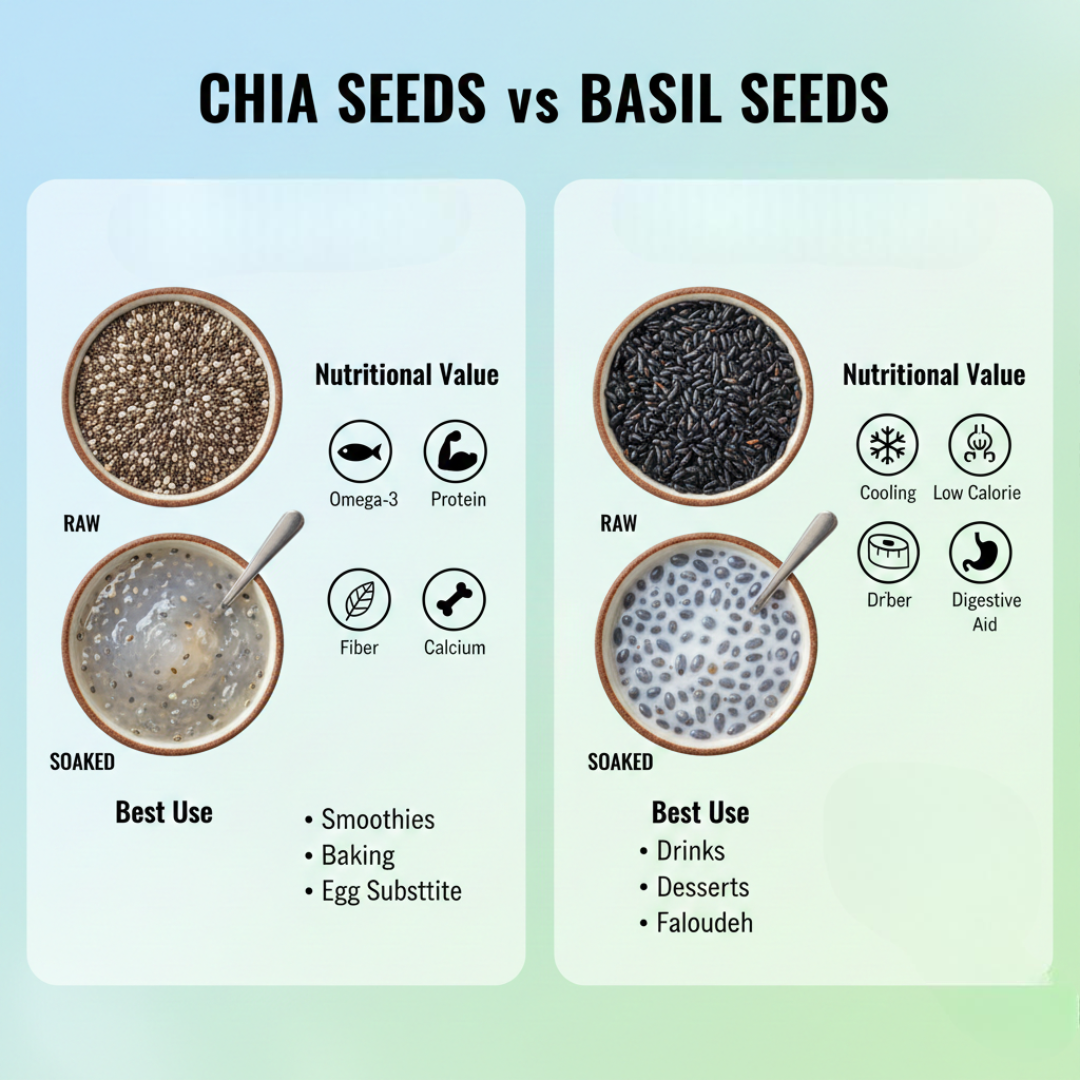
Key Differences
Origin: While basil seeds originate from sweet basil plants, chia seeds originate from the Salvia hispanica plant (mint family).
Appearance:Both have a modest, dark appearance, but if you look closely, you’ll see distinctions. Chia seeds can be either white or black and have a small oval shape. The seeds of basil are longer and entirely black.
Swelling characteristics: When exposed to water, basil seeds swell very immediately (within seconds!). It typically takes 15 to 20 minutes for chia seeds to fully expand.
Texture when soaked: Soaked basil seeds retain their crisp interior while developing a thick, jelly-like outer layer. Chia seeds that have been soaked turn entirely mushy and gel-like.
Consumption: It is not safe to eat basil seeds dry; they must be soaked before consumption. Although soaking is advised for optimal benefits, chia seeds can be consumed dry.
Nutritional Comparison
Here’s where chia seeds really pull ahead!
Chia seeds contain significantly more:
Omega-3 fatty acids
Protein
Dietary fiber
Calcium
Basil seeds have their own strengths:
Stronger cooling properties (better for hot summer days)
Slightly lower calorie content
Traditional use in treating digestive issues
Both seeds offer health benefits, but if you’re looking for maximum nutritional value, chia seeds win hands down. They provide more of almost every beneficial nutrient.
Which One Should You Choose?
Honestly? You don’t have to choose! Both have their place in a healthy diet.
Use chia seeds when you want:
Maximum nutrition
Weight loss support
Omega-3 fatty acids
Bone-building calcium
Versatile usage (can eat dry or soaked)
Use basil seeds when you want:
Cooling effects during summer
Traditional sharbat recipes
Quick-swelling properties for instant drinks
Specific digestive remedies
Many Pakistani households keep both on hand and use them for different purposes. That’s a smart approach!
Recommended Daily Intake
Particularly when it comes to foods high in fiber, like chia seeds, more isn’t always better. Allow me to provide you with precise instructions.
How Many Chia Seeds Do You Eat Every Day?
One to two teaspoons, or 15 to 30 grams, should be consumed daily. This offers the best possible nutrition without going overboard with calories or fiber.Two tablespoons doubles these benefits while still remaining well within safe limits.
A tablespoon provides you with:
About 70 calories
5 grams of fiber
3 grams of protein
Substantial amounts of omega-3s, calcium, and other nutrients
Starting Gradually
If you’ve never used chia seeds before, don’t start with two tablespoons! It takes time for your digestive system to adapt to the higher fiber consumption.
Use this methodical approach:
Week 1: Start with 1 teaspoon daily
Week 2: Increase to 2 teaspoons daily
Week 3 onwards: Move up to 1-2 tablespoons daily
This process avoids unpleasant side effects like gas or bloating and allows your gut flora to adjust. It pays to be patient. When taking chia seeds, make sure to stay hydrated throughout the day. You must maintain adequate hydration for the best possible digestion because the fiber absorbs liquid.
Who Should Be Careful?
Although most people can safely consume chia seeds, some persons should be cautious or see a doctor first:
Those who have trouble swallowing: If you have difficulty swallowing, avoid eating dried chia seeds. The seeds can cause a choking hazard by absorbing moisture in your throat. Soak them first at all times!
Individuals taking blood thinners: The omega-3 found in chia seeds can thin blood. Consult your physician before incorporating chia seeds into your diet if you currently take blood thinners like warfarin.
Anyone with low blood pressure: Chia seeds can further lower blood pressure in anyone who already has low blood pressure. When beginning chia seeds, keep a close eye on your blood pressure if it is already low.
Pregnant women: When consumed in moderation, chia seeds are generally harmless and may even be helpful. However, before making any major nutritional changes while pregnant, it’s always a good idea to speak with your doctor.
People with digestive disorders: Introduce chia seeds very gradually and observe how your body reacts if you have Crohn’s disease, inflammatory bowel disease, or other problems of a similar nature.
An unplanned increase in chia seed consumption may result in gastrointestinal distress and associated adverse effects. Be smart and methodical in your approach!
Frequently Asked Questions
What are chia seeds called in Urdu?
In Urdu, chia seeds are referred to as Tukhm-e-Sharbati. The words “tukhm” (seed) and “sharbati” (related to sharbat or cool drinks) are the sources of the name.
Although this word more appropriately relates to basil seeds, some people sometimes refer to them as Tukh Malanga. To make sure you obtain real chia seeds instead of basil seeds while purchasing from local markets, use the phrase “Òügeم đر الل.”
Can I eat chia seeds daily?
Absolutely! For the majority of people, daily use is not only advised but also safe. Consuming one or two tablespoons of chia seeds daily can yield steady health advantages.
Just make sure you’re drinking lots of water throughout the day and adhere to the suggested amount. Your body will appreciate the consistent intake of fiber, omega-3 fatty acids, and other nutrients!
How to use chia seeds for weight loss?
Try this successful weight-loss strategy: Soak half to one spoonful of chia seeds in a cup of water with fresh lemon juice. Give it a minimum of fifteen minutes to sit. 30 minutes prior to your main meals, sip this mixture.
You feel fuller as a result of the soaking seeds expanding in your stomach, which naturally encourages you to eat less. Additionally, the fiber and protein prolong your feeling of fullness and lessen your desire for unhealthy snacks.
For optimal effects, combine this habit with a healthy diet and frequent exercise. Healthy living choices are not replaced by chia seeds; rather, they help you lose weight!
Are chia seeds and basil seeds the same?
No, they are entirely different! Although they have a similar appearance and both swell in water, the nutritional profiles and origins of chia and basil seeds differ.
Chia seeds are higher in calcium, protein, and omega-3 fatty acids. They can be soaked or consumed dry. Basil seeds have more potent cooling effects and must always be soaked before ingestion.
While both are good for your health, chia seeds are more nutritious overall.
Conclusion
The popularity of chia seeds as a superfood is well-deserved. Fiber, calcium, omega-3 fatty acids, and antioxidants are among the many nutrients found in these tiny seeds that help with digestion, weight loss, bone health, and heart health. They provide a potent nutritional boost without requiring costly equipment, specialized recipes, or significant dietary adjustments. Your general health can be significantly improved by adding just one or two tablespoons to your daily routine, whether it be in lassi, yogurt, smoothies, or water.